10% off your first order using the code: ohohmatcha



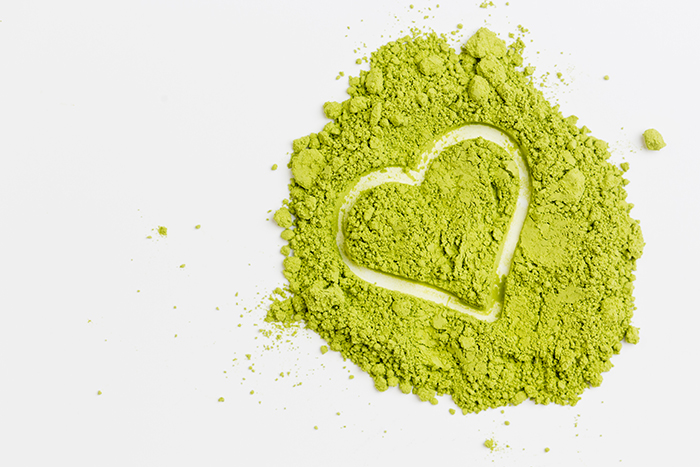
Matcha, the finely ground powder of specially grown and processed green tea leaves, has a history as rich and complex as its flavor. While now strongly associated with Japanese culture, the origins of matcha can be traced back to ancient China.

Origins in China
The practice of grinding tea leaves into a fine powder and whisking it with hot water began during the Tang Dynasty (618-907 CE) in China. This method, known as “muo cha” or “mo cha,” was initially used with various types of tea, not just green tea..
During the Song Dynasty (960-1279 CE), the preparation and consumption of powdered tea reached its zenith in China. It became an art form, with elaborate rituals and specialized utensils. This era saw the development of many techniques still used in modern matcha preparation.

Journey to Japan
In 1191, the Zen monk Eisai brought tea seeds from China to Japan, along with the Buddhist methods of preparing powdered green tea. Eisai is credited with writing the first Japanese book about tea, “Kissa Yōjōki” (Drinking Tea for Health), which promoted the health benefits of green tea.
The powdered tea preparation method quickly gained popularity among the samurai class and in Zen monasteries. The meditative aspects of tea preparation aligned well with Zen Buddhist principles, leading to the development of the Japanese tea ceremony, or “chanoyu.”

Matcha and the Tea Ceremony
Over the following centuries, the Japanese refined the cultivation, processing, and preparation of powdered green tea. The term “matcha” emerged during this period, literally meaning “ground tea” in Japanese.
The influential tea master Sen no Rikyū (1522-1591) played a crucial role in codifying the tea ceremony and elevating it to a high art form. He emphasized simplicity, tranquility, and mindfulness in the ritual of preparing and drinking matcha.

Cultivation Techniques
During the Edo period (1603-1867), specialized cultivation techniques for tea plants used in matcha production were developed. This included the practice of shading the tea plants before harvest to enhance their flavor and nutritional content, a method still used today.

Decline and Revival
With the fall of the Tang Dynasty, powdered tea fell out of favor in China. In Japan, while matcha remained important in the tea ceremony, it became less common in everyday life during the Meiji era (1868-1912) as Japan opened to the West and other forms of tea gained popularity.
However, the 20th century saw a revival of interest in matcha, both in Japan and globally. The health benefits of green tea, including matcha, began to be scientifically studied and promoted.

Global Phenomenon
In recent decades, matcha has experienced a surge in global popularity. Its vibrant color, unique flavor, and purported health benefits have made it a favorite among health-conscious consumers and culinary innovators alike.
Matcha has found its way into a wide variety of products beyond traditional tea, including lattes, ice cream, chocolates, and even savory dishes. Its distinctive taste and cultural cachet have made it a trendy ingredient in cafes and restaurants worldwide.

Modern Significance
Today, matcha continues to hold deep cultural significance in Japan, particularly in the tea ceremony. At the same time, it has become a global phenomenon, appreciated for its flavor, health benefits, and the mindfulness associated with its preparation and consumption.
From its origins in ancient China to its refinement in Japan and its current global popularity, matcha’s journey spans over a thousand years of history. It stands as a testament to the enduring appeal of this unique form of tea, bridging tradition and modernity in every carefully whisked bowl.